

In the realm of maintaining a clean living environment, many people neglect the role of their curtains. Routinely seen as merely decorative elements of home decor, curtains have the potential to harbor a wealth of allergens and pollutants that can considerably impact indoor air quality. Dust, pet dander, and dead skin cells can build up on these fabric surfaces, creating an inviting habitat for dust mites and other undesirable guests like mold and mildew. The consequences can be far-reaching, especially for those who suffer from asthma or other respiratory problems.
Cleaning your curtains should be regarded as an essential part of your home hygiene routine. Over time, stubborn stains and persistent dust can not only detract from the beauty of your living space but also result in serious health issues. Fungi and other allergens flourish in the dark, often damp spaces where dirty curtains hang. In this article, we will explore the various ways your curtains can influence breathing issues and supply a comprehensive guide on the best curtain cleaning methods to ensure a safe and healthy atmosphere for you and your family.
The Impact of Dirt on Indoor Environment
Dirt is a frequent yet often overlooked contributor to deteriorating indoor air quality. As drapes hang in our living spaces, they gather dust, including dust mites, skin flakes, allergens, and pet dander over time. This build-up creates an atmosphere where respiratory problems can thrive, especially for those who suffer from asthma and other allergies. When disturbed, these substances become airborne, worsening the air environment in our homes.
The existence of dust may not only cause allergic reactions but can also foster the growth of mold and fungal organisms. When drapes remain soiled and moist, they create a ideal breeding ground for these dangerous organisms. Fungi and mildew emit spores into the air, which can exacerbate respiratory issues, particularly in sensitive individuals. This can lead to chronic health problems and a notable decline in general indoor air environment.
Routine cleaning of drapes is essential to mitigate these hazards. By using effective drape cleaning methods, such as washing or vacuuming, homeowners can greatly reduce the amount of dust, allergens, and possible growth of mold in their homes. This simple task can greatly enhance air quality and create a healthier living environment, ultimately improving the health of all occupants.
Common Irritants Present in Drapes
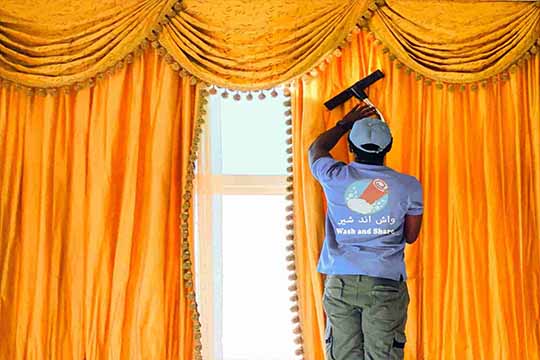
Curtains can serve as a magnet for a variety of allergens that can worsen breathing conditions. Dust mites are among the most common causes, thriving in the cozy and humid environments that curtains often offer. These tiny creatures feed on dead skin cells, which collect in curtains over time. As they multiply, they not only contribute to particles, but their droppings can also trigger allergic reactions and worsen asthma symptoms.
Another significant source of irritants found in curtains is pet dander. For households with companions, fur and shed skin can settle onto drapes, creating an environment filled in potential breathing irritants. When agitated, these allergens become airborne, leading to increased exposure, particularly for individuals with sensitivities to pets. Regular washing is vital to reduce the buildup of animal allergens.
Fungi and fungi are also frequently found in soiled curtains, particularly in damp or badly ventilated conditions. These microorganisms thrive in wet environments, and drapes can retain humidity, making them prone to mold growth. Spores released into the air can lead to breathing problems, including sneezing, asthma attacks, and other allergic reactions. Keeping drapes clean and dry is essential to preserving good indoor air quality and preventing fungal health concerns.
Health Risks Related to Dirty Curtains
Unclean curtains are a source for irritants that can significantly impact in-house air quality. curtain cleaning service kl and spots accumulate over time, creating an environment conducive to the growth of dust mites, fungi, and mildew. These agents thrive in the material of drapes, and if disturbed, they release particles into the air, leading to breathing issues. For people with respiratory conditions or other sensitivities, these allergens can trigger severe reactions, leading to greater breathing difficulties and other health issues.
Additionally, unclean drapes can harbor animal allergens and skin debris, further intensifying atmospheric conditions. As we travel around our homes, these impurities can become floating, irritating respiratory conditions in vulnerable individuals. The presence of mold and fungi on drapes poses additional health concerns, as exposure to these substances can lead to disease and breathing complications, notably for infants, the elderly, or those with compromised immune systems.
Consistent washing of curtains is essential to mitigate these threats. A regular cleaning routine not only removes dust, spots, and contaminants but also encourages overall sanitation in the living space. By incorporating the most effective cleaning practices into your schedule, you can substantially improve the air cleanliness in your home, ensuring a safer environment where breathing difficulties are less likely to occur.
Efficient Drape Washing Methods
In terms of upkeeping indoor air quality, optimal curtain cleaning methods are essential. Curtains can catch dust, pet dander, dead skin cells, and allergens, contributing respiratory problems such as asthma. Routine cleaning is important to remove these irritants and avoid the buildup of fungi and mold. A simple shake or vacuuming might not be enough; thus, a thoroughly clean is advised for healthy living spaces.
One of the most effective curtain cleaning methods involves cleaning the curtains. Check the care label and find out whether the fabric is machine washable. For those that are, using a gentle cycle with mild detergent can efficiently remove dust, stains, and allergens. For sensitive fabrics, hand washing is preferable. Either way, ensuring that the curtains are completely dry after washing assists preventing mold and mildew growth, maintaining your environment safe.
In cases where washing is not suitable or curtains require professional care, professional curtain cleaning services can be invaluable. They utilize approaches such as steam cleaning and dry cleaning, which are successful in deep cleaning while stopping damage to the fabric. Following a routine cleaning guide customized to your unique curtains aids in supporting hygiene and lengthening their lifespan, ultimately supporting better air quality in your home.
Maintaining Clean Drapes to Enhanced Air Quality
Dirty drapes might carry a significant amount of dirt, pollutants, and even mildew, which may add to lung conditions. Dirt and spots accumulate over time, together with skin flakes and pet hair, creating a breeding ground for mites and molds. Such pollutants may influence the quality of indoor air and exacerbate conditions such as asthma as well as other respiratory conditions. It is crucial to recognize the impact that dirty drapes can have on our overall health.
Regular maintenance of curtains is essential to achieve good cleanliness and boost air quality in your home. The best curtain cleaning method generally includes a mix of laundering and careful dusting. Cleaning drapes can successfully eliminate dirt, pollutants, and any lingering marks. However, it is crucial to comply with the cleaning guidelines relevant to your drape fabric. Additionally, using a vacuum cleaner with a HEPA filter may help remove embedded allergens before washing.
To maintain your drapes spotless and pleasant, create a frequent maintenance schedule according to your environment. For homes with animals, consider cleaning curtains every several months, while in dustier areas, a seasonal maintenance may be ideal. Using these methods not only aids in removing collected dust and marks but also reduces the chance of fungus and mold growth accumulation. By prioritizing curtain cleanliness, you can establish a more pleasant indoor space that promotes enhanced air quality for you and your loved ones.